

































From bustling city stations to vineyard-covered hillsides, Europe’s railways open a window onto regional cuisines, evolving scenery, and the rhythms of daily life unfolding along the route.
Forget the airport shuffle. For many travellers exploring Europe, the adventure begins before the train leaves the station.
The departure board updates, the train pulls in, and travellers stream along the platform, finding their carriages.
Doors close. Passengers settle into their seats as the train begins to move, and Paris fades into the distance.
Soon, fields, villages, and mountains replace the city skyline.
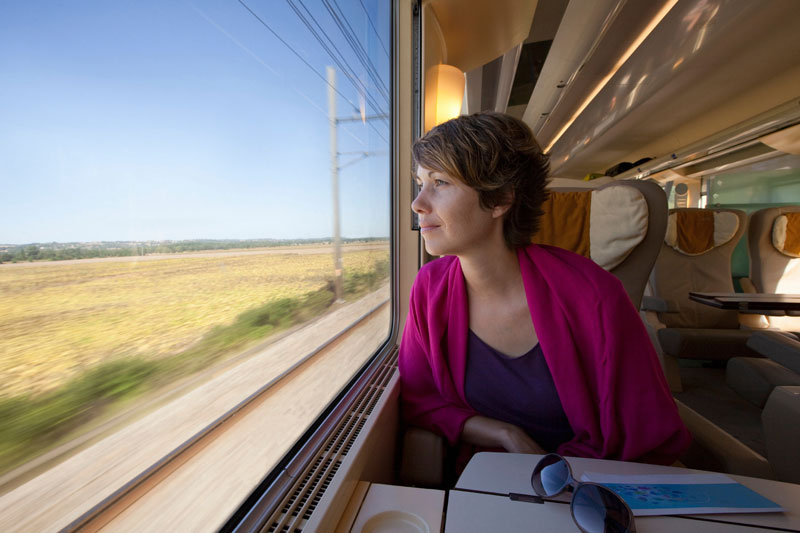
From the carriage window, rail travel reveals the Europe that flights often leave unseen—the countryside, villages, and communities beyond the major cities.
Church towers rise above rolling hills. Meadows stretch toward distant peaks, while lakes reflect the mountains beyond.
This is the enduring appeal of travelling Europe by train. Railways do more than link cities and communities. They bring travellers closer to regional flavours, changing landscapes, and the everyday rhythms that shape the places along the way.
Why Travel Europe by Train?
For a multi-city itinerary, how you travel matters as much as where you go.
Flights remain useful for long distances, while rental cars provide flexibility in remote regions. Buses connect smaller towns, and ferries reach islands and coastal destinations beyond the tracks.
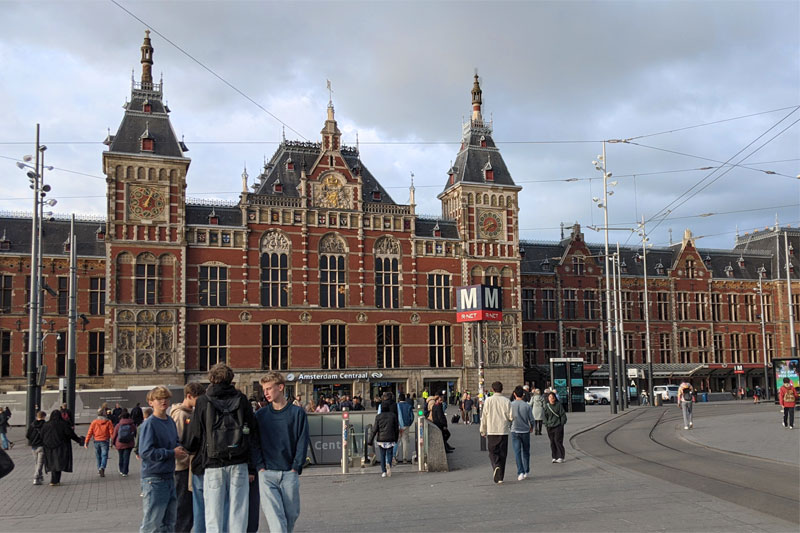
A cheap flight can become more expensive after luggage fees, airport transfers, and other costs are added. Rail travel simplifies the journey by bringing travellers directly into city centres. Stations such as Amsterdam Centraal and Venezia Santa Lucia place travellers close to historic landmarks and neighbourhoods.
Rail travel also rewards preparation. Popular high-speed routes often sell out during busy travel periods, and ticketing rules vary between countries. Understanding reservations, rail passes, and booking windows can make the journey smoother.
Following Europe’s Culinary Map by Rail
Rail routes often follow the same landscapes where regional cuisines have evolved over centuries. Mountains, lakes, valleys, and vineyards appear outside the window—and the flavours on the table change with them.
Leaving Milan Centrale, the train crosses Lombardy’s fertile plains before reaching Lake Maggiore, where alpine scenery meets Italian lake culture.
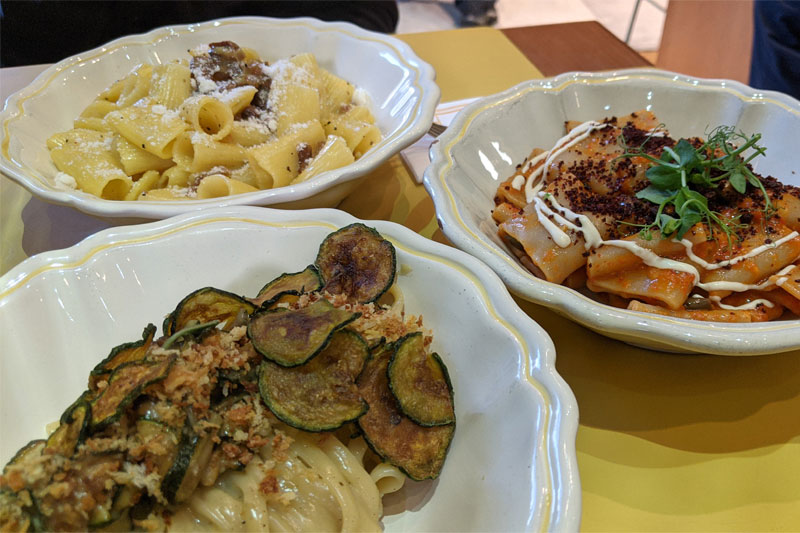
Around Stresa, local menus reflect the landscape: freshwater fish from the lake and mountain cheeses from nearby alpine pastures. The region is also known for delicate Margheritine biscuits, named after Italy’s first queen, Margherita of Savoy.
Beyond Domodossola, chestnut forests and stone villages guide the railway toward the Simplon Tunnel and into Switzerland.
In Brig, Swiss mountain cuisine takes centre stage. Cows grazing on high-altitude meadows provide the milk behind local cheeses served in traditional raclette and fondue. Cured meats, slowly matured in the cool, dry air, reflect centuries of regional culinary traditions.
The train continues through the Rhône Valley between Visp and Sion. Emerald vineyards cascade down terraced slopes above the Rhône River, their neat rows gleaming in the sun.
Here, winemakers transform sun-ripened grapes into crisp, elegant wines, from bright Fendant to silky Pinot Noir. Nearby orchards add another taste to the Valais region with their prized apricots.
Crossing into France, the railway moves through wooded valleys and Rhône-side villages before reaching Lyon, France’s culinary capital. Traditional bouchons (Lyon’s traditional eateries) and Les Halles de Lyon Paul Bocuse (Lyon’s Paul Bocuse food market) introduce travellers to the city’s renowned food culture.
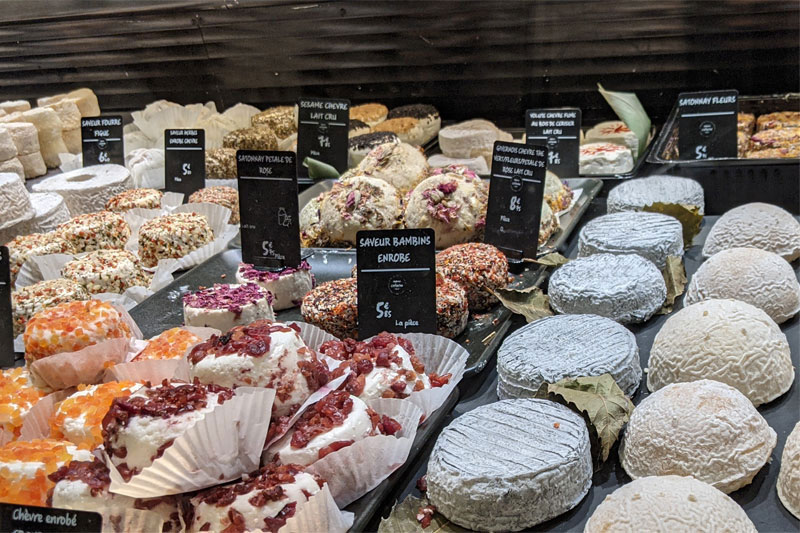
Lyonnais classics include quenelles de brochet, rosette de Lyon, and praline tart. Saucisson brioché—a savoury sausage wrapped in soft, buttery brioche—captures Lyon’s love of generous, comforting cuisine.
Related:
Seat Reservation: How to Secure Eurail or Interrail Seats Stress-Free
Rail Pass: Don’t Buy Until You Do the Math
European Train Routes Worth the Journey
Some rail journeys are famous for dramatic scenery. Others stand out for the landscapes, communities, and moments along the way.
The Munich–Salzburg train rolls through Bavarian meadows and past Lake Chiemsee. At village stations, the journey pauses briefly as passengers come and go between communities along the route. The Eastern Alps rise beyond the window as Salzburg comes into view.
In Switzerland, the journey from St. Margrethen follows the Rhine Valley to Chur before climbing the Arosa line. Between St. Margrethen and Chur, schoolchildren chat on their way to school before stepping off at small communities along the valley.
Higher up, the railway climbs through pine forests, alpine villages and the Schanfigg valley toward the striking Langwieser Viaduct.
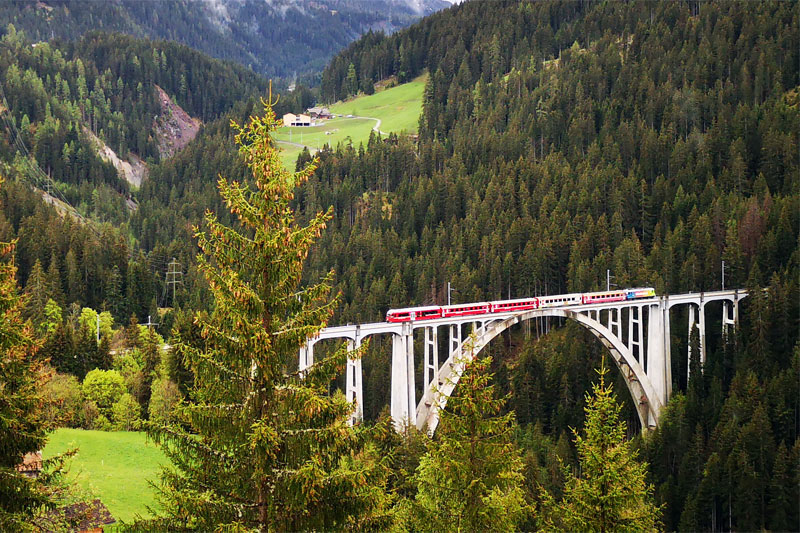
The Milan–Venice train winds across Lombardy’s fertile plains and passes Lake Garda near Peschiera. Gliding through Veneto’s historic countryside, it approaches the Venetian lagoon.
Beyond these iconic routes, regional trains uncover lesser-known corners of Europe—small towns, local markets, and landscapes that reward travellers who slow down.
Choosing the Right Way to Travel
Every itinerary has its own rhythm.
Sometimes a flight is the practical choice. A car can reach places beyond the railway lines.
But for travellers who want to understand the character of a destination—not simply arrive there—rail travel offers something increasingly rare: time to notice.
A village slips past the window.
A river follows the tracks through a valley.
A coffee cools beside the seat.
Another station appears, as passengers come and go.
The train moves forward, carrying travellers toward new regions, new flavours, and new stories.
Outside the window, Europe unfolds mile by mile—and the railway offers a front-row seat.