


































Geopolitical conflicts, hurricanes and climate change are reshaping cruise travel. Here’s how disruptions can affect your itinerary, budget and plans—and how to protect your trip.
The ship was stuck in Dubai.
The travellers knew it. They tracked its location. They followed the news as conflict involving Iran and the United States forced the closure of the Strait of Hormuz.
Still, the cruise line kept telling them:
The cruise is on.
So they kept packing.
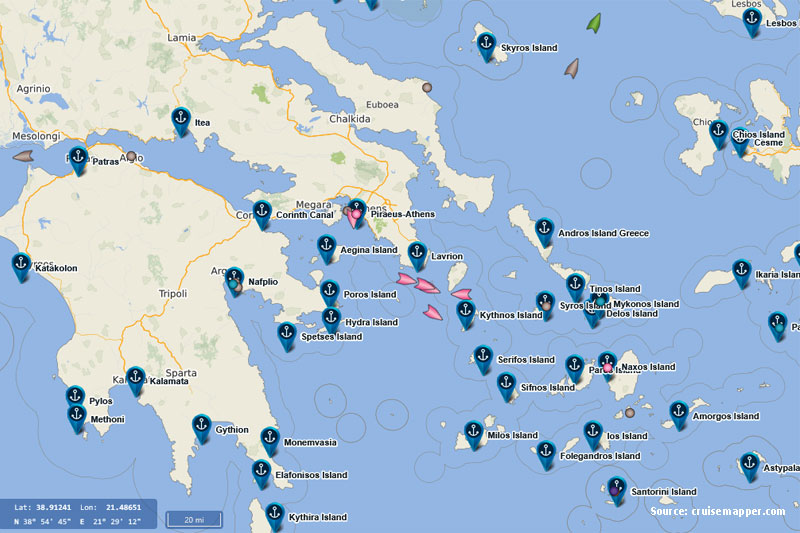
Flights were paid for. Hotels and tours were booked. Their weeks-long European vacation included a week of land tours in Greece, a Mediterranean cruise through the Greek islands and more European destinations afterward.
The cruise was the centrepiece.
And the ship was thousands of miles away.
The travellers had to decide whom to trust: the cruise line or what they were seeing in the news.
Cancel, and they could risk losing their cruise fare. Wait, and a cancellation could upend the rest of the trip.
So they waited.
Their group chats filled with questions: Do we cancel? Do we wait?
They checked the cruise line’s website, called the agents, and monitored the news.
The answer never changed.
The cruise is on.
Then, a week before departure, an email arrived:
Your cruise has been cancelled.
The cruise line promised a full refund.
Relief?
Certainly.
Problem solved?
Not even close.

The Hidden Costs of Cruise Cancellations
Cruise cancellations happen more often than travellers realize. The cruise was supposed to simplify the trip.
It would move travellers between the Greek islands while providing their accommodation, meals and transportation.
Remove the ship, and the rest of the itinerary began to unravel.
Domestic flights no longer fit the new itinerary. Some passengers lost hundreds of dollars on tickets they could no longer use. Hotels had to be cancelled or rebooked. Now they have to arrange their own transportation to the Greek islands.
Every replacement cost money.
The cruise refund would eventually help. But it took nearly two months to arrive.
Meanwhile, the travellers had to finance the replacement trip themselves.
New flights. New hotels. Ferries. Trains. Taxis. Meals. Excursions.
Some travellers had insurance. It covered at least part of their unexpected costs.
Others paid out of pocket.
That is the catch behind the reassuring phrase “full refund.”
A cruise refund does not necessarily make travellers whole. It may cover the cruise fare but not unusable flights, cancellation fees or more expensive replacement transportation.
The cruise line was not necessarily at fault. Its ship happened to be in the Middle East when events made the planned sailing impossible.
The travellers could understand that.
What was harder to absorb was what came next.
With less than a week before departure, they had to rebuild the trip themselves. Last-minute flights and hotel rooms were more expensive. Some options were already gone.
The cruise was cancelled. The rest of the trip wasn’t.
When Geopolitics Boards the Ship
Cruise shoppers usually compare destinations, cabins, prices and ports.
Few consider the strategic waterways ships must cross.
Yet cruise ships operate within a world shaped by borders, conflicts, security threats and maritime chokepoints. When those conditions change, itineraries can change with them.
Ships can be rerouted. Ports can disappear. Sailings can be shortened or cancelled.
Travellers already aboard Middle East cruises can face an even tougher challenge: getting out of a region caught in an active conflict.
A vacation can become a logistical scramble in a matter of days.
War, however, is only one threat.
Then the Weather Gets a Vote
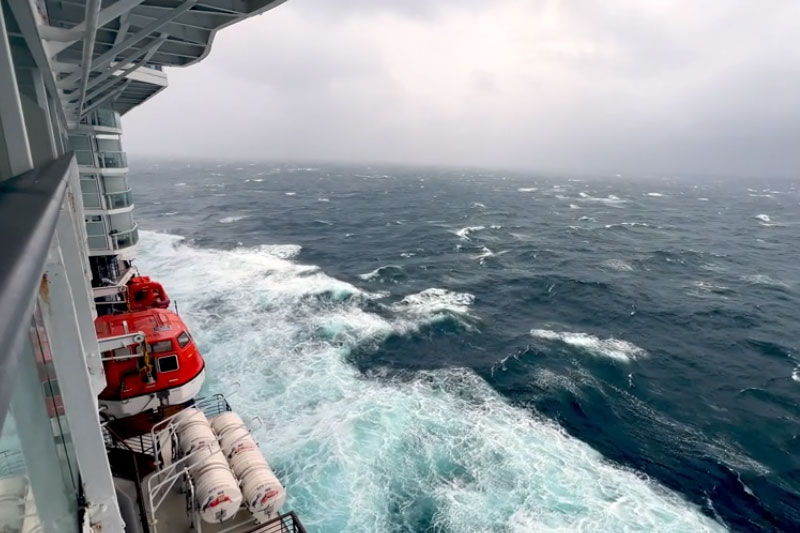
Weather has always shaped cruising. Today’s traveller must look beyond conditions at the embarkation port.
When Hurricane Lala threatened Hawaii, Norwegian Cruise Line rerouted Pride of America and Norwegian Spirit. It cancelled Big Island calls and delayed a Honolulu turnaround.
The disruption can extend well beyond the ships. Severe weather can affect airports, roads, hotels and shore excursions.
The ship doesn’t have to be in the storm’s path.
Sometimes, the storm only has to hit the vacation.
A cruise itinerary depends on a much larger travel network. When one link breaks, others can quickly follow.
When the River Gets Too Shallow
The threat can be quieter on Europe’s rivers.
The Rhine and Danube carry travellers past castles, vineyards and historic cities. But when water levels fall too low, cruise ships may struggle to navigate.
Cruise lines can respond by changing itineraries, transferring passengers, using buses or bypassing unnavigable sections.
Severe drought and extreme heat have contributed to exceptionally low water levels in parts of Europe.
Climate change can add pressure by increasing the likelihood and intensity of heat and drought.
For river cruisers, the science becomes very practical:
There has to be enough water beneath the hull.
A hurricane announces itself.
A river quietly becoming too shallow does not.
The passenger can experience the same result:
The itinerary has changed.
And that is where climate change becomes a cruise-travel issue.
Glaciers are retreating. Extreme weather is becoming more disruptive. Conditions at some cruise destinations are changing.
For travellers booking trips months or even years in advance, the places they expect to visit may not look—or operate—the way they did when they booked.
The New Cruise Consumer
Cruise shoppers need to ask more than, “Where does this ship go?”
- What weather risks could affect the sailing season?
- What geopolitical risks surround the route?
- Could low water levels disrupt a river cruise?
- How flexible are the flights and hotels?
- What happens if the cruise is cancelled days before departure?
Travel insurance deserves careful attention. So does cash flow.
A traveller may eventually receive every dollar of a cruise refund. Meanwhile, they may need thousands of dollars to keep the rest of the vacation on track.
Hotels, flights and meals require payment now—not when the refund arrives.
That’s the hidden cost of cruise cancellations: the refund may cover the cruise but leave travellers paying for the disruption elsewhere in the itinerary.
Travel insurance can help when a cancelled cruise triggers losses beyond the cruise fare. But coverage varies. Travellers need to understand what their policy actually covers before they buy.
Standard travel insurance policies generally do not cover cruise cancellations caused by geopolitical conflicts, war, or military action.
The best protection may be simple: leave enough financial and logistical room for the trip to change.
The Itinerary Is No Longer the Promise
The travellers who lost their Greek islands cruise learned an uncomfortable lesson.
The itinerary looked fixed when they booked it.
It wasn’t.
A ship can be stranded in Dubai. A waterway can close. A hurricane can force a detour. A river can become too shallow.
None of that necessarily means a cruise line has done anything wrong.
Passengers still bear the consequences.
So book the dream. Just prepare for reality.
The itinerary in the brochure is a plan, not a guarantee.
Increasingly, the smartest thing to pack alongside a passport and sunscreen is something less glamorous:
A VERY GOOD PLAN B.